
-
Email:zhao@hyliec.cn
-
Tel:+86 311 85273988
-
WhatsAPP:8613931128750

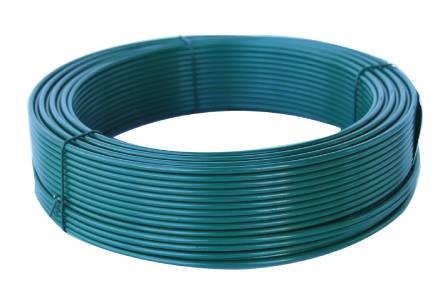
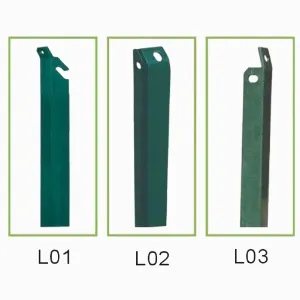
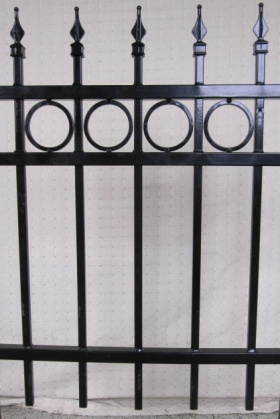
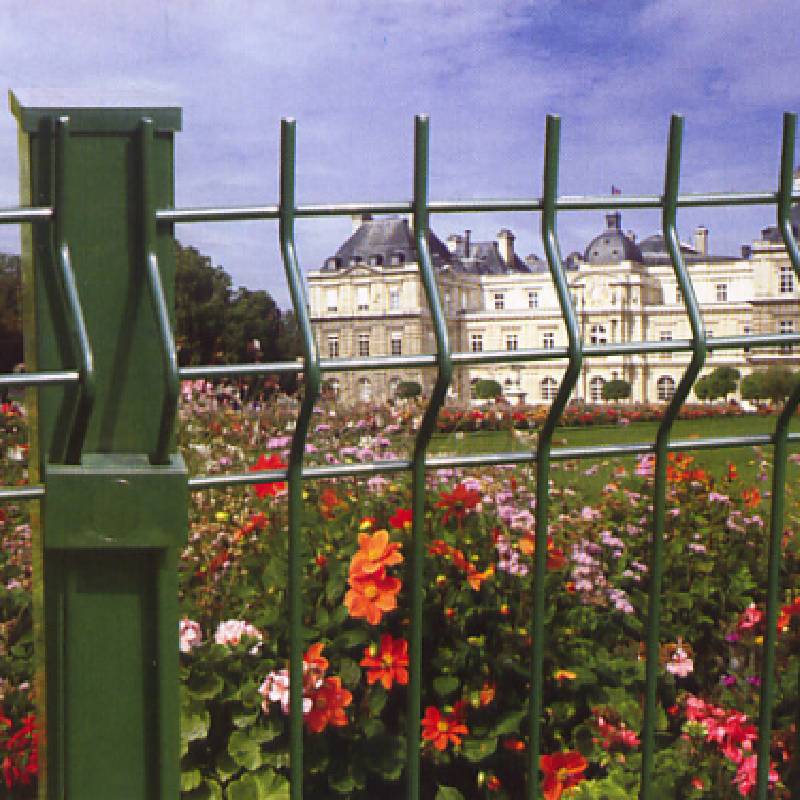
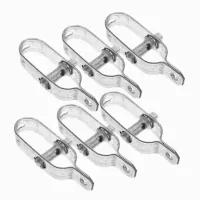
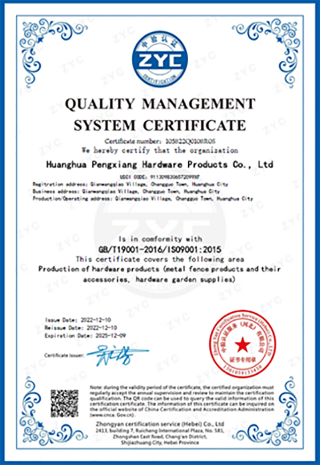
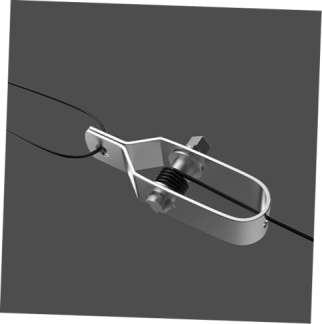
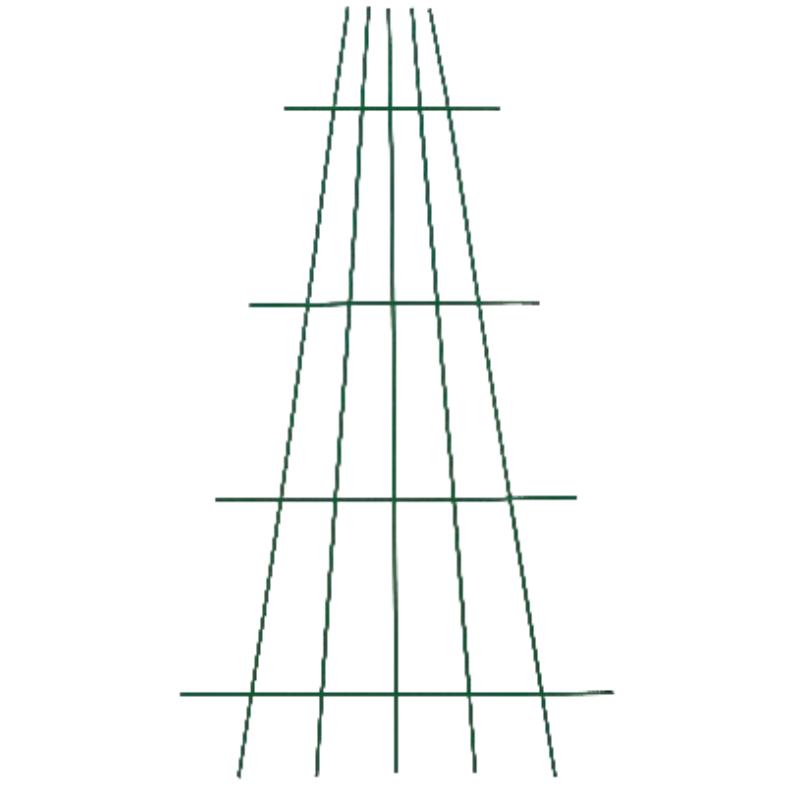
Introduction to Advanced Flower Support Systems in Modern Horticulture In the intricate world of horticulture, where precision and plant health are paramount, the strategic deployment of robust support systems is not merely an auxiliary measure but a foundational element for achieving optimal growth, yield, and aesthetic appeal. The evolution of horticultural practices has underscored the indispensable role of advanced flower support technologies, moving beyond rudimentary stakes to engineered solutions that cater to a diverse array of plant species, environmental conditions, and cultivation scales. These sophisticated systems are designed to counteract the myriad stresses faced by plants, including the weight of heavy blooms, the destructive forces of wind, and the natural tendency of certain species to sprawl, which can lead to disease, pest infestation, and diminished quality. The market for flower supports is witnessing a significant trend towards materials offering superior durability, such as galvanized steel, powder-coated metals, and advanced composites, reflecting an industry-wide shift towards sustainable, long-lasting investments. Furthermore, the increasing demand for specialized solutions, such as tall flower supports for climbing varieties and specifically designed structures like flower supports for peonies, highlights a growing appreciation for tailored horticultural aids. This segment of the market is driven by both large-scale commercial growers seeking to maximize efficiency and yield, and discerning amateur gardeners aiming for pristine botanical displays. The technical parameters defining high-quality flower supports encompass material tensile strength, corrosion resistance, UV stability, and ease of installation and adjustment, all contributing to the longevity and effectiveness of the support system. As climate patterns become more unpredictable, the resilience offered by well-engineered garden stakes for tall flowers becomes even more critical in safeguarding agricultural and ornamental investments. Our exploration delves into the technical intricacies, application versatility, and strategic advantages of modern flower support systems, aiming to provide a comprehensive guide for B2B decision-makers and technical personnel navigating this crucial aspect of horticultural infrastructure. The focus remains on solutions that promise not only immediate structural integrity but also long-term value, integrating seamlessly into sophisticated cultivation strategies while adhering to rigorous performance and safety standards, ensuring that every botanical effort yields its full, uncompromised potential. This comprehensive overview aims to establish a clear understanding of why investing in technically superior flower support solutions is a strategic imperative rather than a mere operational expense, emphasizing the profound impact these systems have on the ultimate success of horticultural endeavors across diverse scales and environments, from specialized botanical gardens to large-scale commercial greenhouses, highlighting their pivotal role in plant protection, growth optimization, and aesthetic presentation. The Critical Role of Robust Flower Support in Horticultural Ecosystems The structural integrity of plants, especially those bearing heavy flowers or exhibiting a vining growth habit, is profoundly influenced by environmental stressors and their inherent biological limitations, making the provision of effective flower support an indispensable practice in both commercial and amateur horticulture. Without adequate support, plants are susceptible to a range of detrimental outcomes, including stem breakage under the weight of saturated blooms after rainfall, physical damage from strong winds or accidental impacts, and sprawling growth patterns that restrict air circulation, fostering an environment conducive to fungal diseases and pest infestations. For tall flowering plants, such as delphiniums, gladioli, or roses, the absence of appropriate tall flower supports can lead to stem kinking, compromising the plant's vascular system and thereby reducing nutrient and water uptake, ultimately stunting growth and diminishing flower quality. Specialized solutions, such as garden stakes for tall flowers, are specifically engineered to provide the vertical stability necessary for these plants to reach their full height and display their blossoms effectively, preventing lodging and ensuring a consistent growth trajectory. The design and material selection for these supports are critical; for instance, metal flower supports often employ powder-coated steel or galvanized iron for superior weather resistance and longevity, crucial attributes in diverse climatic conditions, mimicking the durability seen in industrial components where corrosion resistance is paramount. Beyond structural reinforcement, these supports contribute significantly to the aesthetic presentation of gardens and cultivated areas, ensuring that flowers stand upright and are displayed prominently, enhancing visual appeal for consumers and visitors alike. Furthermore, the strategic placement of flower support sticks can facilitate efficient harvesting in commercial settings by keeping plants organized and accessible, reducing labor costs and minimizing damage during collection. This technical necessity extends to specific plant varieties where bespoke solutions are often required, for example, the robust and often circular flower supports for peonies are designed to cradle their heavy, multi-layered blooms, preventing them from flopping onto the ground and becoming soiled or damaged. The economic implications for commercial growers are substantial, as crop loss due to inadequate support can translate directly into reduced profitability. Therefore, understanding the nuanced requirements for different plant types and environmental conditions is crucial in selecting and deploying the most effective flower supports for gardening, thereby safeguarding botanical investments and ensuring the vibrant health and productivity of diverse plant collections, highlighting their role not just as simple aids, but as integral components of a successful horticultural ecosystem. Engineering Excellence: Materials and Manufacturing of Modern Flower Supports The production of high-quality flower support systems involves a sophisticated multi-stage manufacturing process, leveraging advanced materials and precision engineering techniques to ensure durability, longevity, and optimal performance in diverse horticultural environments. This process typically commences with the meticulous selection of raw materials, primarily high-grade steel (such as Q195 or Q235 carbon steel) for its exceptional tensile strength and malleability, or robust plastics like PVC or fiberglass for specific applications requiring lightweight or flexible solutions. For metal flower supports, the manufacturing journey begins with wire drawing or extrusion, where raw metal billets are transformed into precise wire gauges or profiles. This is followed by cutting and shaping, often employing advanced CNC (Computer Numerical Control) machining for intricate designs, ensuring consistent dimensions and angles for components like rings, stakes, or cages. The shaping process can involve cold bending, stamping, or welding, depending on the desired structural configuration, ensuring that components like tall flower stakes maintain their structural integrity under significant load. A critical phase is surface treatment, which is paramount for the product's lifespan and resistance to environmental degradation. For steel supports, options include hot-dip galvanization, a process compliant with standards like ISO 1461, which immerses the steel in molten zinc to create a robust, corrosion-resistant coating, enhancing anti-corrosion properties significantly, much like in petrochemical or wastewater treatment applications where anti-corrosion is critical. Alternatively, powder coating, often applied electrostatically and then cured under heat, provides an aesthetically pleasing finish in various colors while adding an extra layer of protection against rust, UV radiation, and abrasion. This meticulous attention to coating quality directly correlates with the support’s projected service life, extending it to often exceed 10-15 years even in challenging outdoor conditions. Throughout the entire manufacturing chain, rigorous quality control measures are implemented, adhering to international standards such as ISO 9001 for quality management systems and ANSI standards for product performance. This includes material composition verification through spectrographic analysis, dimensional accuracy checks using precision calipers and laser measurement systems, and destructive testing for tensile strength and bending resistance of finished products. For example, a sample batch of garden stakes for tall flowers might undergo load-bearing tests to simulate extreme wind conditions or the weight of mature, water-laden plants, ensuring they meet specified performance thresholds. The application of these technically superior manufacturing processes ensures that each flower support not only fulfills its primary function of providing structural stability but also represents a long-term, low-maintenance investment for horticultural businesses, offering significant advantages in terms of reduced replacement costs and consistent crop quality, mirroring the stringent quality demands seen in industries such as metallurgy and infrastructure. Technical Specifications and Performance Metrics of Premium Flower Supports Understanding the technical specifications and performance metrics of flower support systems is crucial for horticultural professionals making informed procurement decisions, as these parameters directly correlate with the product's effectiveness, durability, and return on investment. The design and material composition are engineered to optimize weight-bearing capacity and environmental resistance. For instance, high-grade steel flower supports for gardening typically feature material specifications such as Q195 or Q235 steel, offering tensile strengths ranging from 310 to 430 MPa and yield strengths between 205 and 235 MPa, ensuring robust structural integrity even under heavy loads from mature plants or adverse weather conditions. The diameter of the steel rods, a critical parameter for tall flower supports, can vary from 4mm for lighter applications to 12mm or more for heavy-duty requirements like supporting mature fruit trees or large climbing roses. Surface treatments, as discussed in the manufacturing process, significantly impact longevity; hot-dip galvanized coatings, applied at a minimum thickness of 85 microns (conforming to ASTM A123/A123M), can provide corrosion protection for over 20 years in typical outdoor environments, far surpassing the 3-5 year lifespan of untreated or lightly painted steel. Powder-coated finishes, typically 60-100 microns thick, offer excellent UV resistance and a wider range of aesthetic options, with a lifespan of 10-15 years before significant degradation. Furthermore, the geometric design plays a pivotal role in load distribution and ease of integration. Common designs include single stakes, hoop supports, grid supports, and customizable cage structures. For instance, a circular flower support for peonies might have a diameter ranging from 30cm to 60cm with leg heights from 45cm to 90cm, specifically designed to accommodate the plant's bushy growth habit and heavy blooms without restricting air circulation. The number of rings or horizontal bars in a cage design directly impacts its ability to cradle and distribute the plant's weight effectively, preventing stem collapse. Performance advantages of superior metal flower supports include their exceptional resistance to bending and breakage, even under strong winds or heavy rainfall, which significantly reduces plant damage and the need for frequent replacement. Their long-term durability translates into lower operational costs over the cultivation cycle, making them a more economically viable choice than less robust alternatives. Moreover, the ease of installation and adjustability, often featuring pointed ends for easy ground penetration and adjustable rings or clips, enhances operational efficiency for large-scale agricultural enterprises. These precise technical considerations ensure that each flower support is not just a simple garden accessory but a precisely engineered tool, vital for maximizing horticultural output and plant health, capable of withstanding the rigors of commercial farming and professional landscaping, thereby delivering measurable economic benefits and contributing to the overall success of cultivation projects, from small botanical gardens to extensive agricultural fields. Key Technical Parameters for Flower Support Systems Parameter Description Typical Range / Standard Benefit / Implication Material Type Primary material used for construction. Q195/Q235 Carbon Steel, Galvanized Steel, PVC, Fiberglass. Dictates strength, weight, flexibility, and cost. Steel offers high strength for tall flower supports. Rod/Wire Diameter Thickness of the primary support components. 4mm to 12mm+ (0.16" to 0.47"+). Directly impacts load-bearing capacity and bending resistance. Larger diameter for heavier plants. Height Range Overall vertical dimension of the support. 30cm to 180cm+ (12" to 71"+). Essential for accommodating different plant heights, particularly tall flower stakes. Surface Treatment Protective coating applied to the material. Hot-dip Galvanized (ISO 1461), Powder Coated, PVC Coated. Crucial for corrosion resistance, UV stability, and aesthetic longevity. Extends service life significantly. Corrosion Resistance Ability to withstand rust and degradation in humid/wet conditions. ASTM B117 Salt Spray Test (e.g., >500 hrs for powder coat, >1000 hrs for galvanization). Ensures long-term performance and reduced replacement costs in outdoor environments. Load Bearing Capacity Maximum weight the support can withstand without deformation. Varies by design and material (e.g., 5kg to 50kg+ per support). Directly impacts suitability for different plant types and bloom sizes, preventing collapse. Design Type Structural configuration of the support system. Single Stake, Hoop/Ring, Cage, Grid, Trellis, Adjustable. Optimized for specific plant growth habits (e.g., climbing, bushy) and aesthetic preferences. Service Life Expected functional lifespan under typical conditions. 5-20+ years, depending on material and coating. Indicates long-term value and sustainability, reducing replacement frequency. Application Scenarios and Industry Adaptations for Diverse Horticultural Needs The versatility of modern flower support systems extends across a wide spectrum of horticultural applications, from intensive commercial farming operations to public botanical gardens and specialized plant nurseries, each requiring specific adaptations and technical considerations. In large-scale agricultural settings, such as those cultivating cut flowers like gladioli, delphiniums, or sunflowers, the deployment of integrated systems, including expansive netting, modular cages, or continuous lines of tall flower stakes, is critical for maximizing yield and maintaining consistent crop quality. These systems are often designed for rapid installation and removal, facilitating efficient planting and harvesting cycles, thereby optimizing labor costs and operational throughput. For ornamental horticulture, particularly in parks and private estates, the aesthetic integration of metal flower supports becomes equally important alongside their functional utility. Powder-coated finishes in muted green or brown hues are frequently chosen to blend seamlessly with foliage, ensuring the support structure remains unobtrusive while providing essential stability for decorative plantings such as climbing roses, clematis, or large specimen hydrangeas. The robust construction of these supports, often utilizing heavy-gauge steel, ensures they can withstand the rigors of public spaces and prolonged exposure to the elements, minimizing maintenance requirements. Specific plant varieties also necessitate tailored support solutions; for instance, the classic umbrella or grid-style flower supports for peonies are meticulously engineered to cradle the voluminous, often weighty blooms of these popular perennials, preventing their collapse onto the soil, which can lead to disease and a diminished visual impact. Similarly, garden stakes for tall flowers are indispensable for plants prone to lodging, providing crucial vertical stability that allows them to develop strong stems and full flower heads. Beyond terrestrial applications, advanced support systems are increasingly vital in hydroponic and aeroponic setups, where plants often lack the natural anchoring of soil. Here, lightweight yet rigid flower support sticks or specialized trellising systems made from UV-stabilized plastics or coated metals are used to guide growth and manage plant canopy density, ensuring optimal light exposure and air circulation within controlled environments. This precision control is akin to the exacting standards seen in the design of components for give-water and drainage systems, where precise structural support impacts functionality. The evolving landscape of urban farming and vertical gardening also presents unique demands, where compact, modular, and often stackable flower support solutions are paramount for maximizing space utilization and maintaining plant health in high-density cultivation systems. The capacity for these supports to be easily reconfigured or expanded aligns with the dynamic nature of urban agricultural projects. The technical advantages in these varied contexts include not only the direct physical support to plants but also indirect benefits such as improved air circulation reducing fungal infections, enhanced light penetration promoting photosynthesis, and increased accessibility for pruning, pest management, and harvesting, all contributing to superior plant health and ultimately, more profitable and visually appealing horticultural outcomes across the entire spectrum of cultivation practices. Comparative Analysis: Choosing the Optimal Flower Support Solution In the highly competitive market for horticultural infrastructure, a thorough comparative analysis of available flower support solutions is indispensable for B2B purchasers to identify products that align with their specific operational requirements, budget constraints, and long-term sustainability goals. While numerous manufacturers offer various types of flower supports, discerning the optimal choice involves evaluating materials, construction methodologies, design efficacy, and post-purchase support. For example, comparing the robustness of different metal flower supports, one might observe variations in steel gauge (e.g., 6mm vs. 8mm), which directly impacts the load-bearing capacity and resilience against deformation under stress from heavy blooms or environmental forces. The choice between hot-dip galvanized and powder-coated finishes also presents a trade-off: hot-dip galvanization generally offers superior corrosion resistance and a longer lifespan (often exceeding 20 years) due to its metallurgical bond, making it ideal for harsh climates or permanent installations, while powder coating provides a wider range of colors and a smoother aesthetic finish, typically lasting 10-15 years, suitable for scenarios where visual integration is a priority. When considering tall flower supports, rigid designs like those with welded cages or heavy-duty stakes with internal reinforcing ribs often outperform simpler flower support sticks in providing comprehensive stability for plants prone to significant vertical growth, such as dahlias or sunflowers. The ease of installation and adjustability is another critical differentiator; systems featuring interlocking components, adjustable rings, or pointed ends for effortless ground penetration offer significant labor savings in large-scale operations. Beyond material and design, manufacturers differentiate themselves through adherence to quality standards; reputable suppliers will provide documentation for ISO 9001 certification for their manufacturing processes, and possibly ASTM or ANSI standards for material performance and coating durability, providing assurance of product consistency and reliability. Furthermore, the capacity for customization is a key factor for specialized projects, where standard sizes or designs may not suffice. Manufacturers who offer bespoke solutions for unique plant varieties, specific architectural integrations, or large-volume orders demonstrate a higher level of technical capability and customer responsiveness. Finally, the total cost of ownership, encompassing initial purchase price, projected lifespan, and maintenance requirements, should be thoroughly evaluated. A seemingly higher upfront cost for a premium, hot-dip galvanized flower support can translate into substantial savings over two decades by eliminating the need for frequent replacements and reducing plant loss, presenting a compelling economic argument over cheaper, less durable alternatives. This detailed comparative framework empowers professional buyers to make strategic investments in flower supports for gardening that not only meet immediate needs but also contribute to the long-term success and profitability of their horticultural ventures, ensuring optimal plant health and a superior aesthetic outcome across varied cultivation landscapes. Tailored Solutions: Customization and Scalability in Flower Support Systems In the diverse and often highly specialized realm of commercial horticulture, the ability to procure flower support systems that are precisely tailored to unique plant specifications, environmental conditions, and operational scales is a significant competitive advantage. While standard-sized tall flower supports and generic flower support sticks serve a broad market, bespoke solutions become indispensable for maximizing the potential of specific botanical collections or addressing complex site constraints. Leading manufacturers in the metal flower supports sector distinguish themselves by offering extensive customization capabilities, enabling clients to specify exact dimensions, material gauges, coating types, and structural configurations. For example, a botanical garden cultivating rare and unusually tall or wide-spreading specimens might require custom-fabricated garden stakes for tall flowers reaching heights of 3 meters or more, with specialized bracing or multi-tiered support rings designed to accommodate unique branching patterns or exceptionally heavy fruit sets. Similarly, for commercial growers focusing on a particular hybrid variety of cut flowers with distinct growth habits, custom-designed grid systems or adjustable cage supports can be engineered to optimize stem straightness and flower uniformity, directly impacting market value. The customization process typically begins with a detailed consultation to understand the client's specific needs, followed by CAD (Computer-Aided Design) drafting to visualize the proposed solution and refine technical parameters. This collaborative approach ensures that the final product, whether it’s a series of flower supports for peonies with non-standard ring diameters or a large-scale trellising system for a vineyard, perfectly integrates with the existing infrastructure and horticultural goals. Scalability is another critical aspect for B2B clients, referring to a manufacturer's capacity to produce custom or standard flower support solutions in varying volumes, from small pilot projects to massive agricultural expansions. A robust manufacturing facility with advanced machinery (e.g., automated bending machines, robotic welders, and large-scale galvanizing tanks) and efficient supply chain management can meet fluctuating demand while maintaining consistent quality and competitive pricing. This scalability is vital for growers who need to expand their operations incrementally or rapidly respond to market opportunities. Furthermore, custom finishes, such as specific RAL colors for powder coating to match corporate branding or architectural elements, are often available, enhancing the aesthetic integration of the supports into the overall landscape design. The expertise of the manufacturer in material science, structural engineering, and coating technology is paramount in translating client requirements into viable, high-performance custom flower support systems, ensuring not only an ideal fit but also the long-term durability and efficacy necessary for significant agricultural investments, providing a competitive edge in specialized horticultural markets. Real-World Impact: Case Studies and Client Successes with Flower Support Systems The tangible benefits of investing in high-quality flower support systems are best illustrated through real-world application examples and positive client feedback, providing compelling evidence of their efficacy and return on investment. A notable case involves a large commercial rose farm in California, specializing in long-stem varieties for the cut-flower market. Prior to implementing an advanced metal flower supports system, the farm experienced significant losses due to stem breakage and bending, particularly after irrigation or during windy periods, affecting up to 15-20% of their crop. Upon consulting with a specialized manufacturer, they adopted a modular, multi-tiered tall flower supports system, designed to gently guide the upward growth of rose stems and provide uniform support across vast acreage. The new system, featuring galvanized steel rods with adjustable clips, dramatically reduced stem damage to less than 2%, resulting in an immediate increase in marketable yield by over 18%. The farm reported a full return on their investment within two growing seasons, attributing their improved profitability directly to the enhanced structural integrity and reduced crop loss facilitated by the new flower supports for gardening. Another compelling example comes from a historic botanical garden in the Pacific Northwest, renowned for its extensive collection of rare and heritage peonies. The heavy, rain-saturated blooms of these plants often caused them to collapse, leading to fungal diseases and diminishing their aesthetic appeal for visitors. The garden collaborated with a supplier to design custom flower supports for peonies, crafted from powder-coated steel in a subtle dark green hue to blend with the foliage. These supports featured wide, open rings that effectively cradled the large flower heads without restricting air circulation. Visitor feedback overwhelmingly praised the improved presentation of the peony collection, and the garden staff noted a significant reduction in disease incidence and maintenance time associated with plant cleanup. This project underscored the dual benefit of premium flower support in both functional preservation and aesthetic enhancement. Furthermore, a smaller-scale nursery specializing in exotic climbers and vining plants encountered challenges with disorganized growth and difficulties in managing their diverse inventory. By integrating vertical garden stakes for tall flowers and flexible trellising solutions, they were able to train plants more effectively, improving light exposure to lower leaves, enhancing air flow, and making it easier for staff to access and care for individual specimens. This not only improved the overall health and vigor of their plants but also streamlined their operational workflow, contributing to better inventory management and higher plant quality for their discerning clientele. These diverse case studies collectively demonstrate that high-quality flower support systems are not merely commodities but strategic assets that deliver measurable improvements in yield, plant health, operational efficiency, and aesthetic appeal across various horticultural enterprises, solidifying their reputation as an indispensable component of successful cultivation strategies. Ensuring Reliability: Quality Assurance, Certifications, and Longevity of Flower Supports For B2B purchasers in horticulture, the assurance of reliability, guaranteed through rigorous quality control, industry certifications, and explicit longevity commitments, is paramount when investing in flower support systems. A reputable manufacturer of metal flower supports adheres to a comprehensive quality management system, typically certified to ISO 9001 standards, which mandates continuous improvement, customer focus, and process-oriented production. This involves stringent incoming material inspection, ensuring that raw steel or other composite materials meet specified metallurgical compositions and mechanical properties. During the manufacturing process, from cutting and bending to welding and coating, in-process checks are performed to monitor dimensional accuracy, weld integrity, and coating thickness, often employing sophisticated gauges and non-destructive testing methods. For instance, the galvanization process for tall flower supports is meticulously controlled to ensure uniform coating thickness and adherence, often validated against standards like ASTM A123/A123M for zinc coatings on iron and steel products. Similarly, powder coating applications are assessed for film thickness, adhesion (cross-hatch test), and impact resistance, ensuring the protective layer can withstand environmental wear and tear over many years. Finished product inspections involve thorough visual checks for defects, measurement verification against technical drawings, and batch testing for critical performance parameters such as load-bearing capacity and bending resistance. Samples of garden stakes for tall flowers might be subjected to simulated wind loading or prolonged exposure to salt spray (e.g., ASTM B117) to assess their long-term corrosion resistance and structural integrity. Beyond internal quality assurance, third-party certifications provide an external validation of product quality and manufacturing excellence. While FDA certifications are not typically applicable to general flower support sticks, certifications related to material sourcing, environmental impact, or specific industrial standards (e.g., for specialized coatings) can bolster a manufacturer's authority. Reputable companies will also offer explicit product warranties, often ranging from 5 to 15 years, covering manufacturing defects and premature corrosion, which serves as a powerful testament to their confidence in product durability. This commitment to longevity translates directly into reduced total cost of ownership for the client, minimizing the need for replacements and associated labor, and ensuring uninterrupted support for valuable plant collections. Furthermore, transparent documentation detailing material specifications, testing protocols, and maintenance guidelines empowers clients to maximize the lifespan and performance of their flower supports for gardening, establishing a foundation of trust and reliability crucial for long-term B2B partnerships, ensuring the investment is secure and yields consistent results. Commitment to Excellence: Customer Support and After-Sales Services In the B2B landscape, the provision of robust customer support and comprehensive after-sales services is as crucial as the quality of the product itself, fostering trust and ensuring client satisfaction with flower support systems. A leading manufacturer understands that a transactional sale is merely the beginning of a long-term partnership, and their commitment extends to providing expert guidance, efficient logistics, and responsive problem-solving. This dedication often begins with a highly knowledgeable sales and technical support team, capable of assisting clients in selecting the most appropriate flower support solutions for their specific needs, whether it's identifying the correct dimensions for tall flower supports or recommending the optimal coating for a particular climate. They provide detailed product specifications, installation guides, and best practice recommendations to ensure optimal utilization. The delivery cycle is another critical aspect, particularly for large commercial operations where timely receipt of ga

-
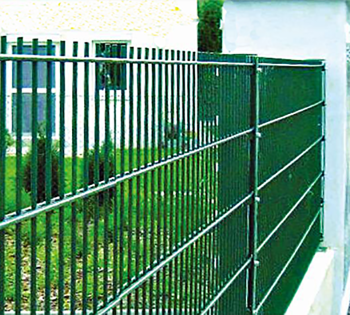 Rich export experienceRich experience for fencing production and export to North of America, Europe, South of America, and South of Africa more than 20 years.
 -
Complete product systemThe Maintenance free coatings coupled with a durable design offer owners and developers a products that can match all project requirements for safety
-
High-quality productsHigh quality control and specialist team for production process, inspection, packaging, QC Etc. to meet customer requirements.
-
Excellent serviceProvide professional technical support to customers, High quality after- sales support ensures that customers have no worries at all.
-
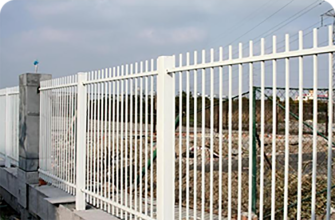 Durable 4-Inch Square Metal Post for Versatile Applications and Strong SupportThe Versatility and Functionality of 4” Square Metal Posts When it comes to structural applications,2026-04-08 18:32
 -
 Creative Flower Display Enhancements for Stunning Home Decor IdeasThe Role of Decorative Flower Supports in Enhancing Aesthetic Appeal When it comes to gardening and2026-04-08 17:39
 -
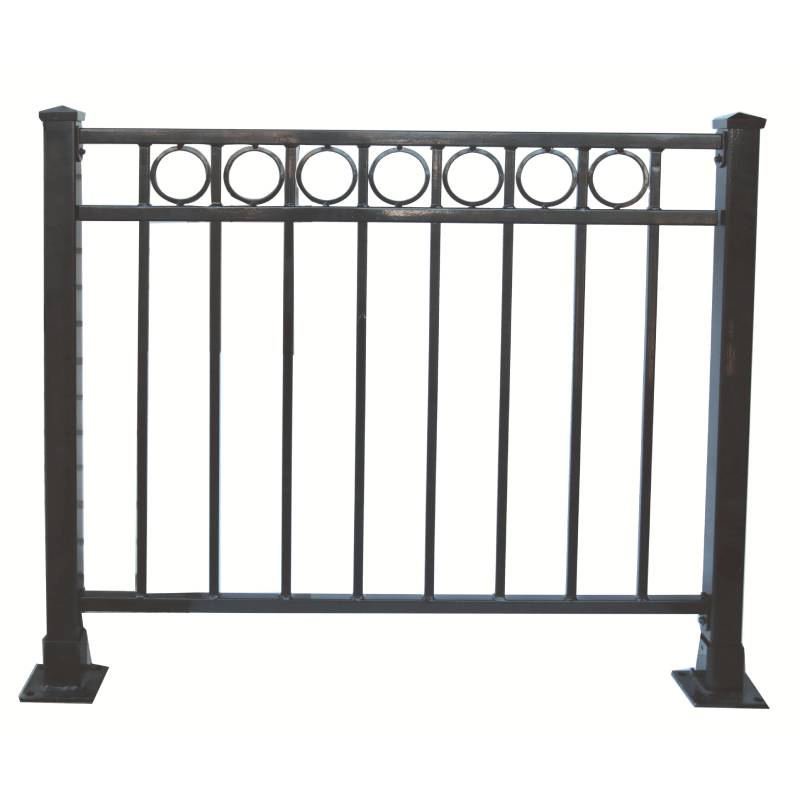 chicken wire with stakesThe Versatility of Chicken Wire with Stakes A Practical Guide Chicken wire, often recognized for its2026-04-08 17:12
 -
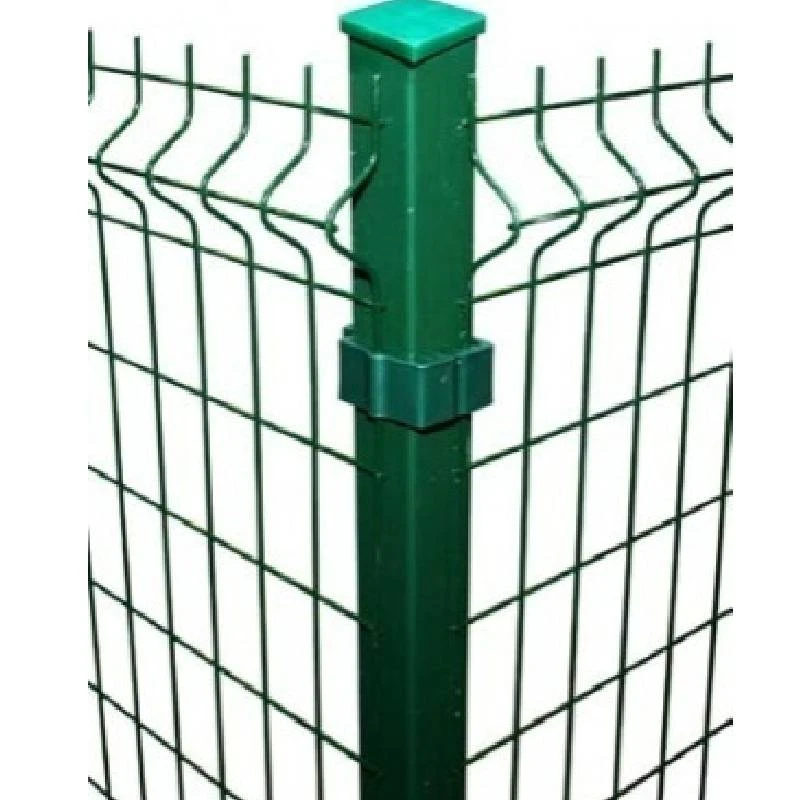 Chicken Wire 3x4 InchChicken Wire A Versatile and Practical Material for Gardening and More Chicken wire, often referred2026-04-08 16:40